Pony Club Logo
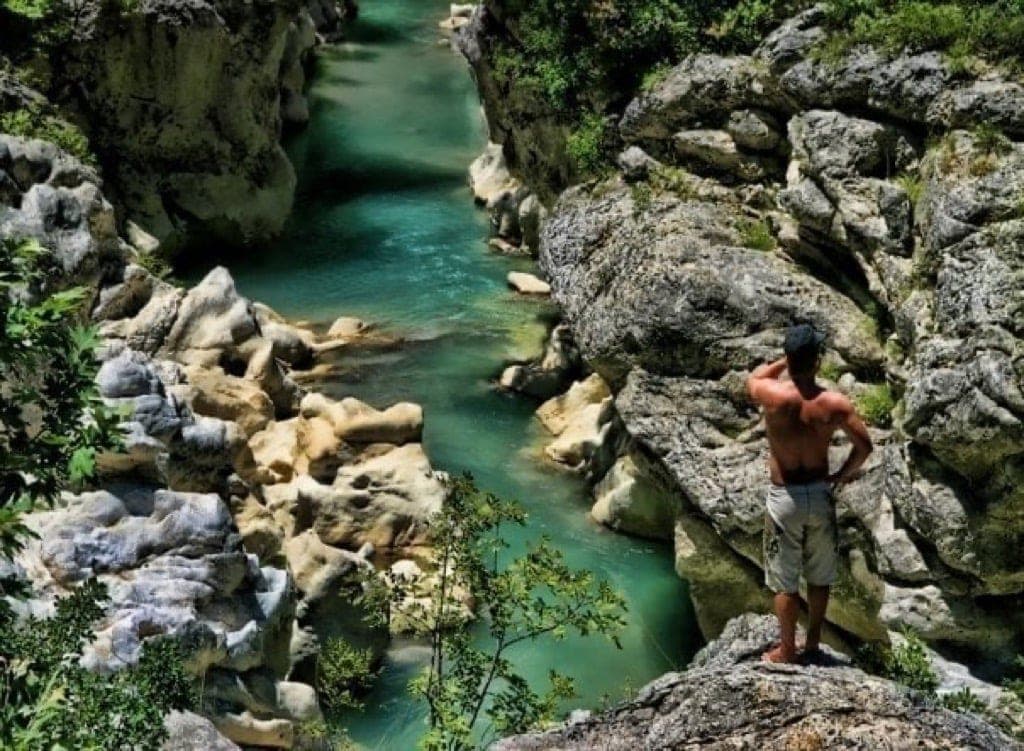
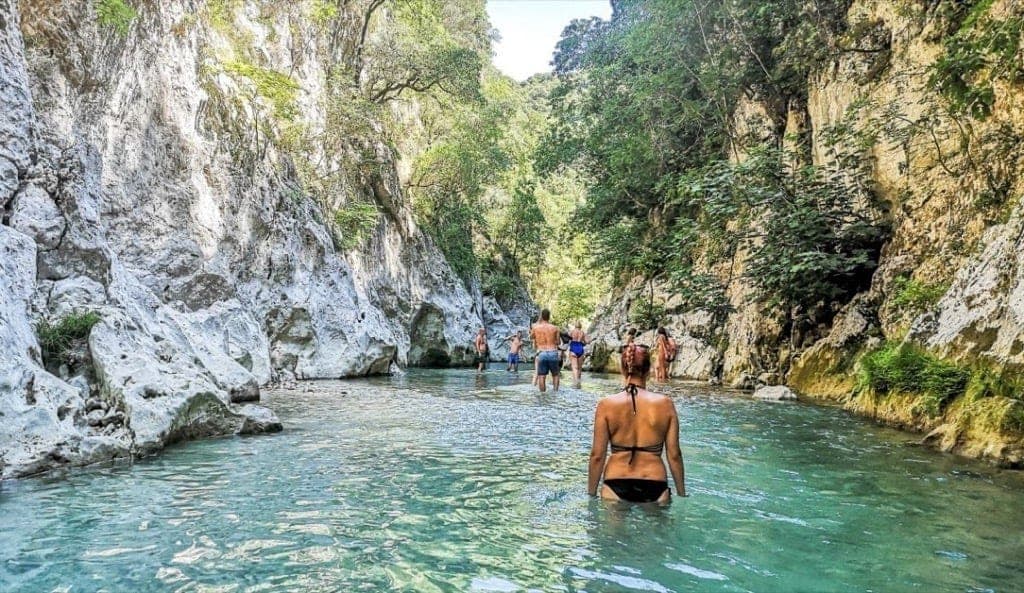
The Acheron river at Glyki
LORE, LAND & LEGEND

The RiverOdysseusCrossed.

Three millennia before it was a rafting route, the Acheron was Homer's gateway to the underworld — the river Odysseus was sent to, to speak with the dead. You can still walk its banks.

ACHERON VALLEY · EPIRUS · GREECE
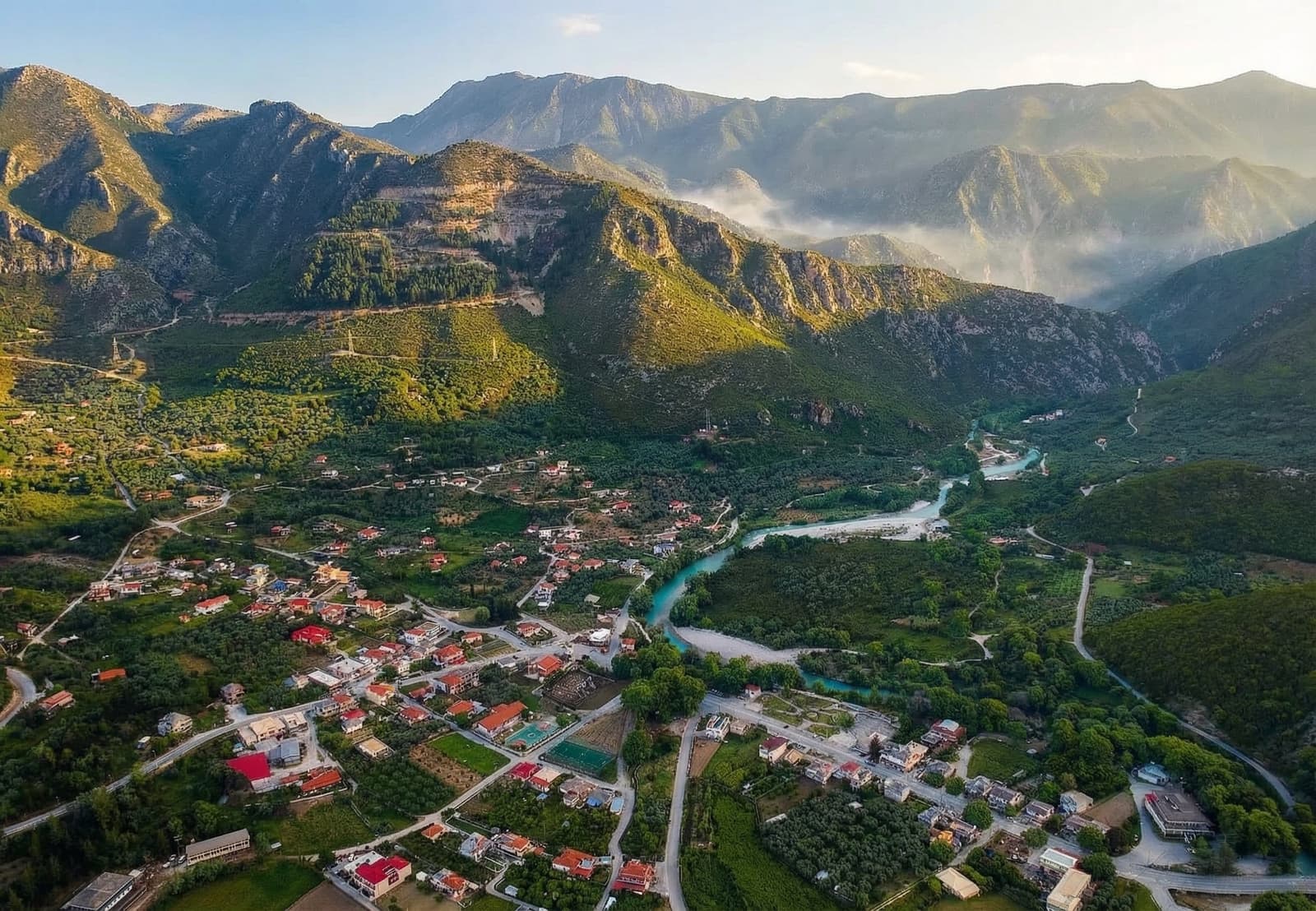
Glyki village

The sweet water.

Glyki means 'sweet'. The story says Saint Donatus, bishop of Evroia, killed a dragon that had poisoned the bitter river — and the water has been sweet ever since. Ancient legends also speak of the water's miraculous healing powers; it was here, tradition says, that the infant Achilles was dipped to make him invulnerable, held only by his heel. The truer version is simpler: the Acheron here is fed by cold karst springs that filter through a thousand metres of limestone. It is drinkable at the source. It has been drinkable since before Homer had a name for it.

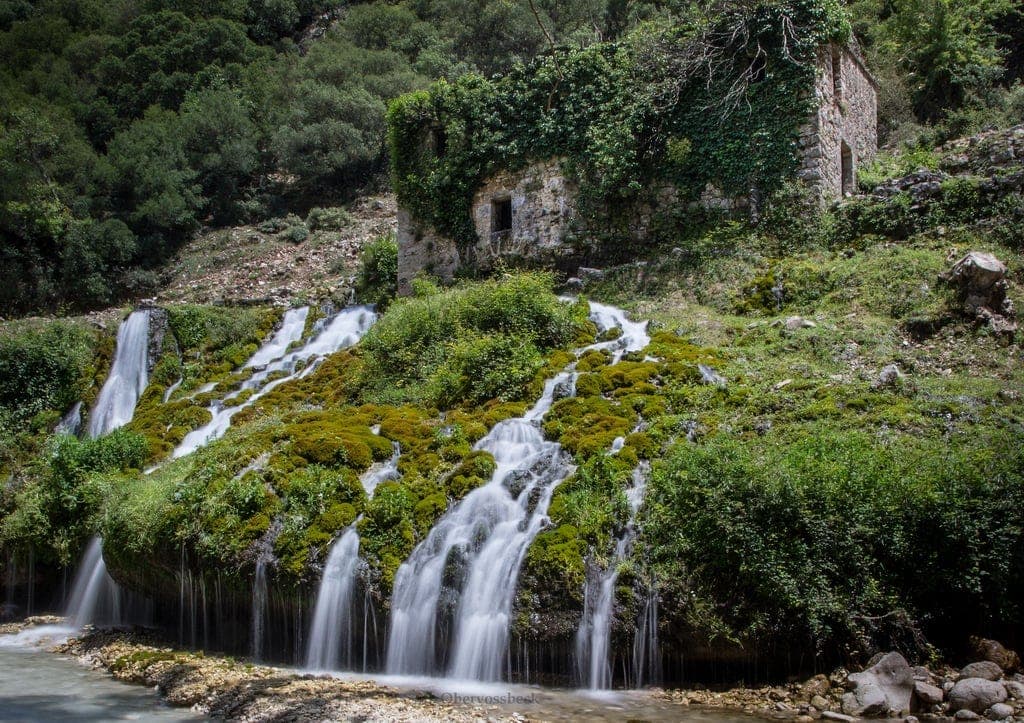
Old stone house near Glyki village
The valley, station by station

Six places on the river.

ACHERON SPRINGS01

ACHERON SPRINGS

Glyki · km 0

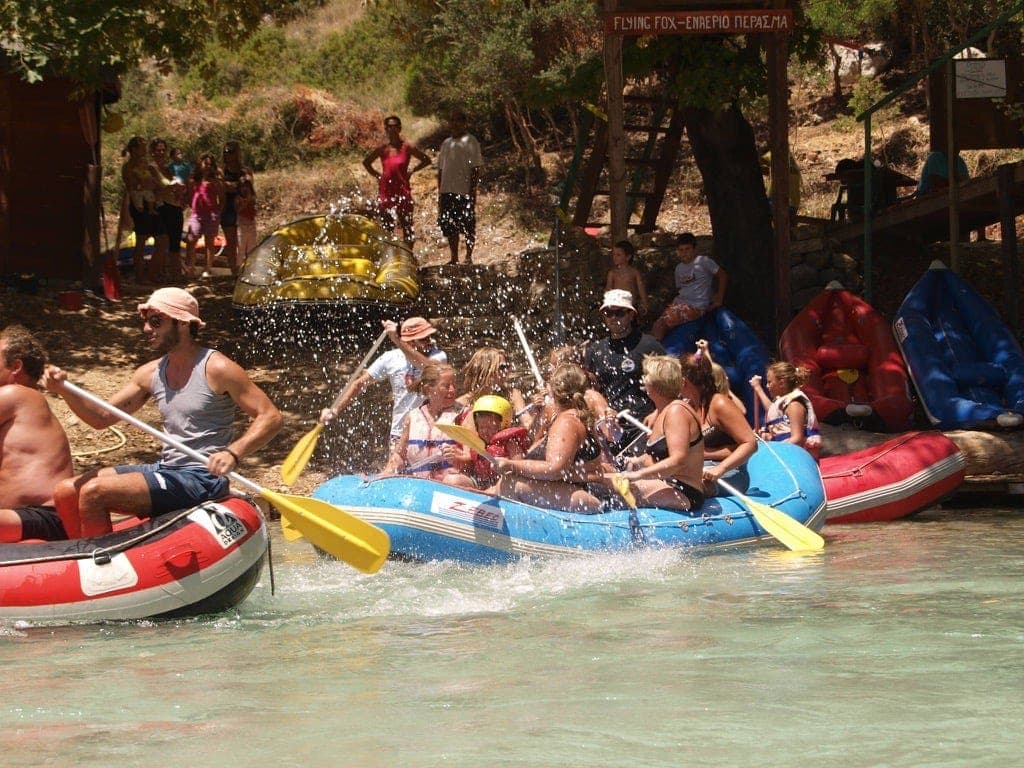
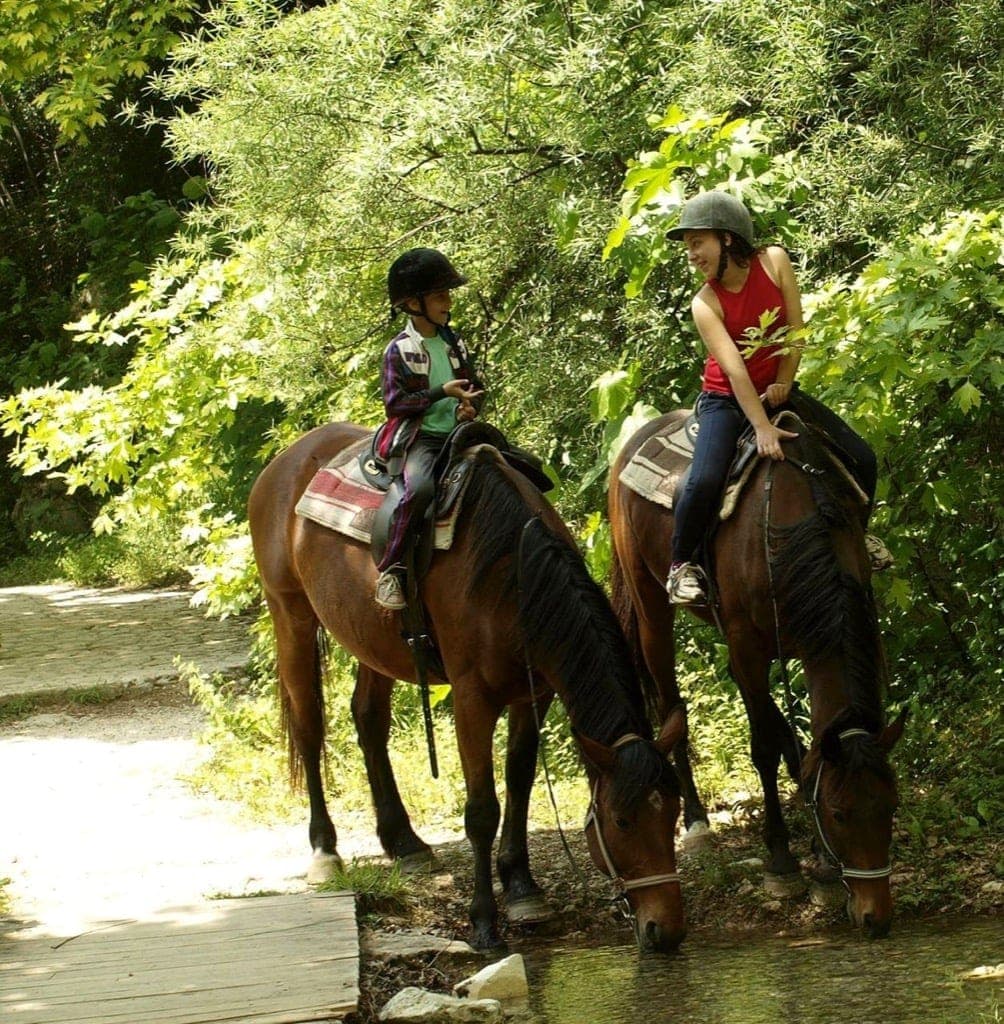
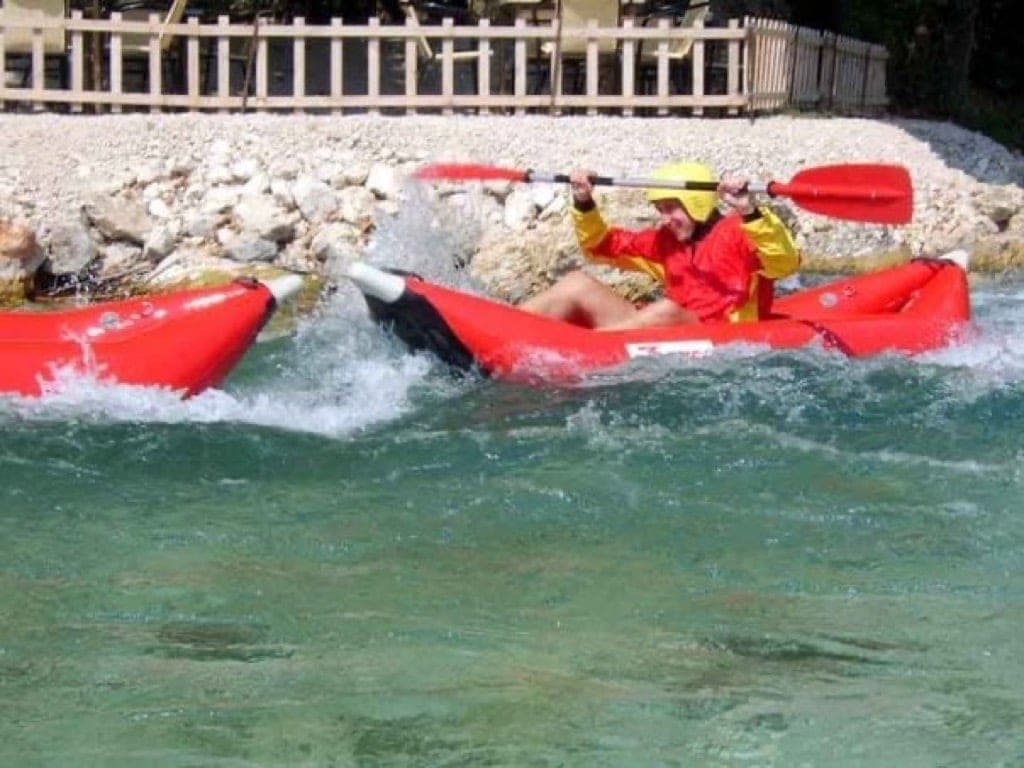
The put-in. Cold, clear, turquoise springs rising from the base of the cliffs. Start of every rafting, kayaking and horseback trip.

GATES OF HADES02

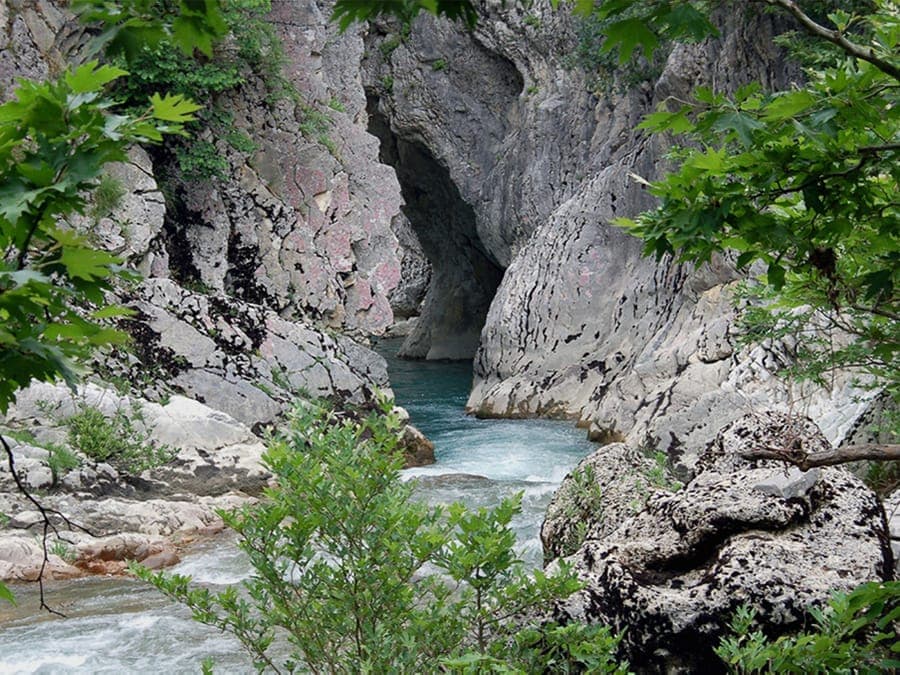
GATES OF HADES

Acheron Gorge · km 2

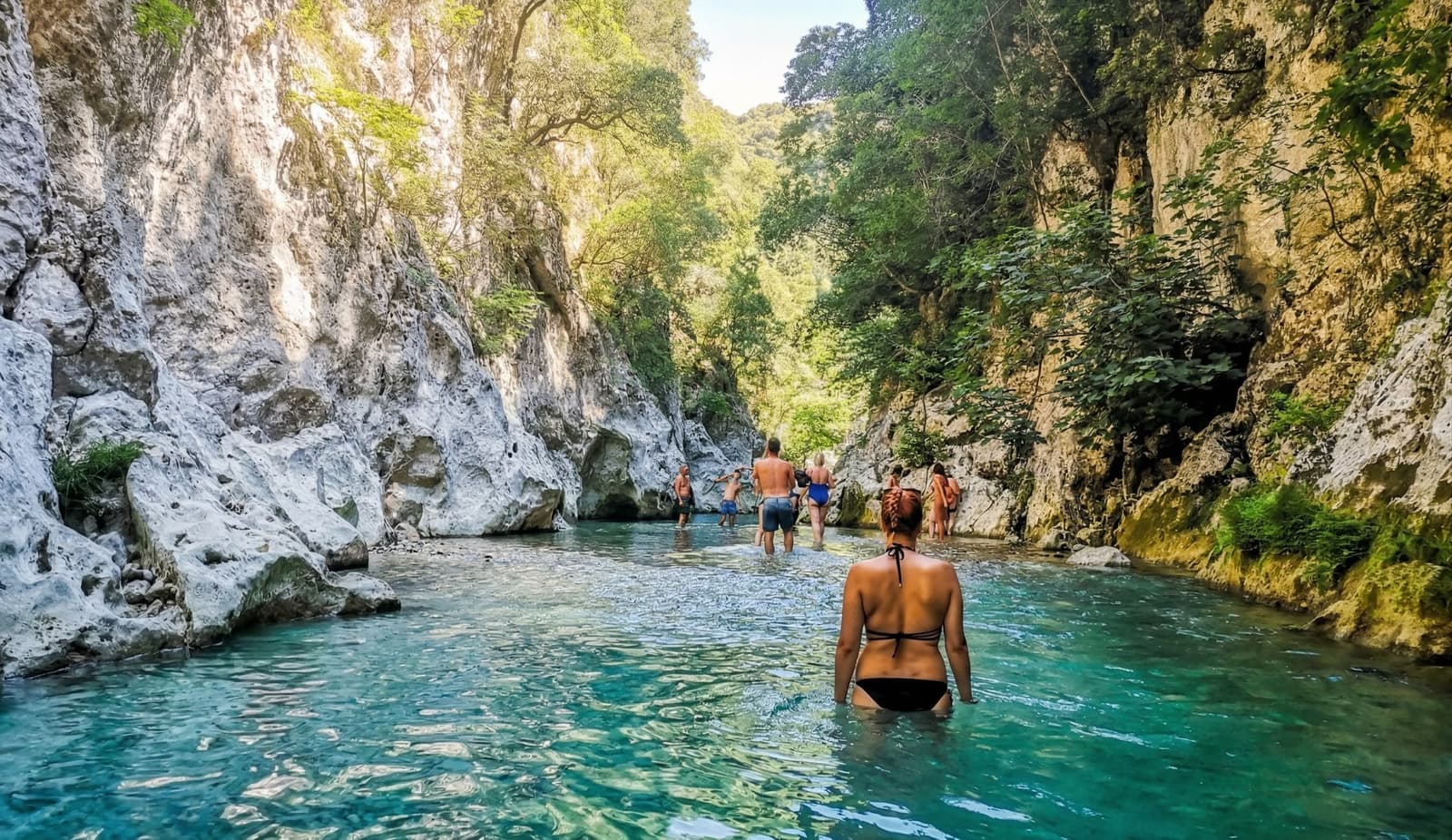
Narrow canyon where the limestone walls close in. The mythic "two loud rivers" pass-point — now a calm, family-friendly swim stop.

THE SOULIOT HEIGHTS03

THE SOULIOT HEIGHTS

Paramythia Mountains

The ridge villages of Souli — Kiafa, Samoniva, Avariko — where a confederation of farmers held off the Ottomans for decades in the 18th century.

NECROMANTEION04

NECROMANTEION

Mesopotamos · km 15

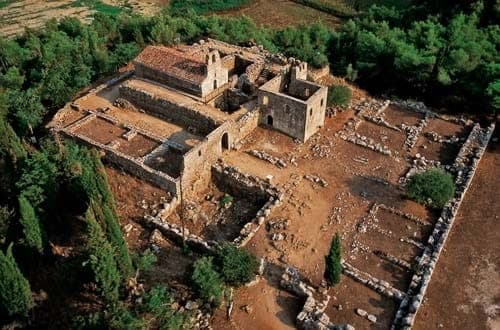
Ruins of the ancient Oracle of the Dead. Homer's Nekyia, made of stone. A 20-minute drive from Glyki.

AMMOUDIA05

AMMOUDIA

River mouth · km 23

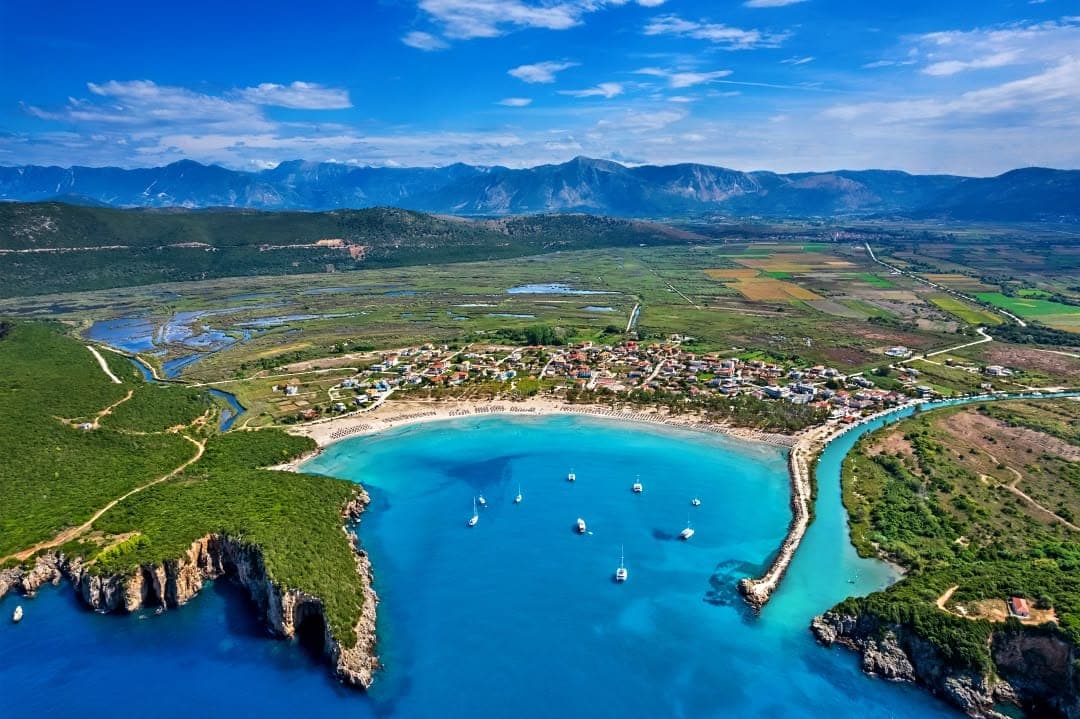
Where the Acheron meets the Ionian Sea — a wide estuary, a fishing village, and the beach Odysseus would have spotted first from his ship.

GLYKI VILLAGE06

GLYKI VILLAGE

Our base · km 0

The 'sweet' village. Named for the legend that St. Donatus slew a dragon who poisoned the springs, turning the waters sweet again.

Cartography of the myth

From mountain springs to the Ionian.

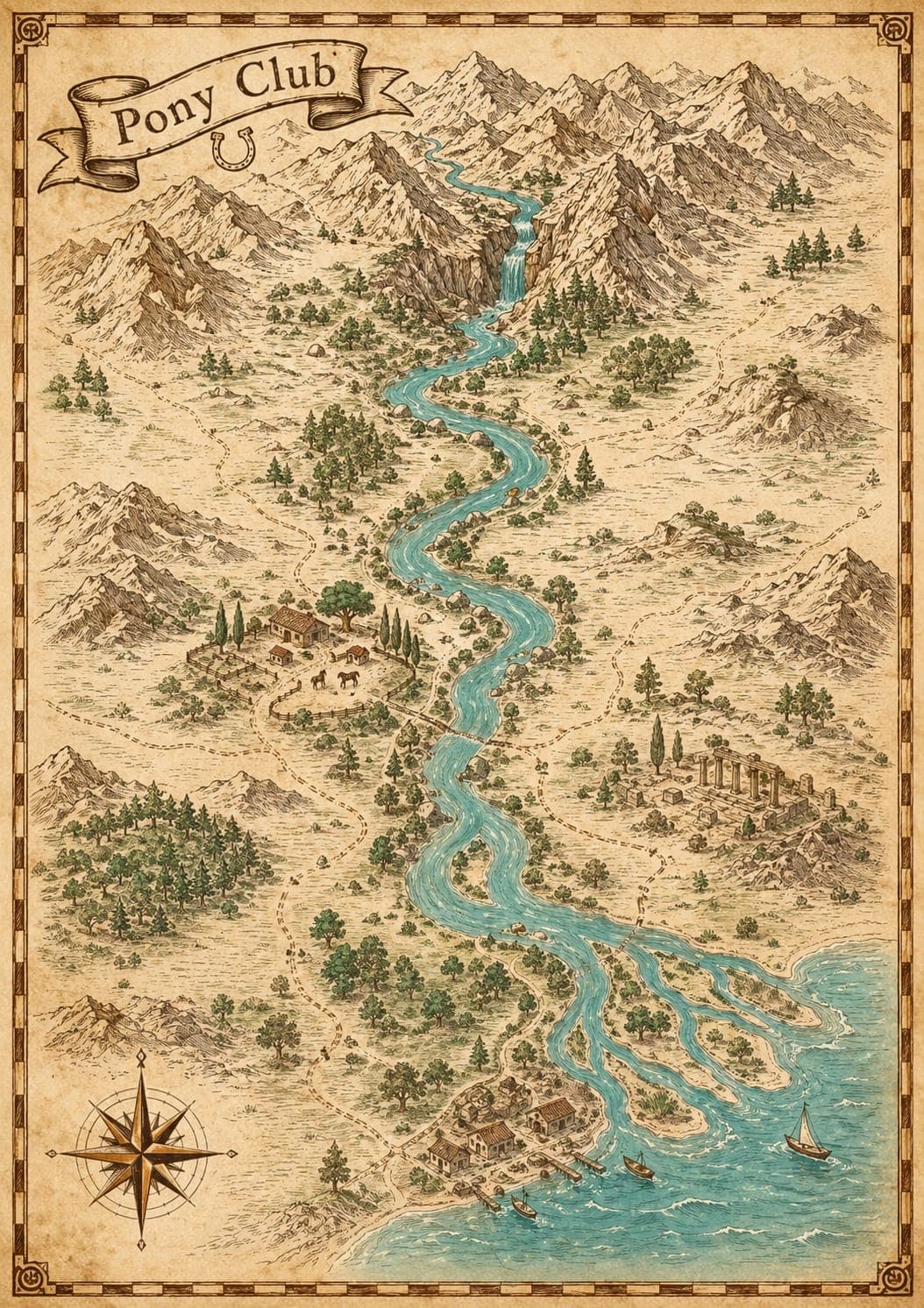
The old story follows a real river. Glyki sits at the cold springs, the gorge narrows into the Gates, and the water keeps moving west until it reaches Ammoudia and the sea.

ΟΡΗ ΠΑΡΑΜΥΘΙΑΣΘΕΣΠΡΩΤΙΑΙΟΝΙΟ ΠΕΛΑΓΟΣ
Σουλιώτικα χωριά
Πηγές Αχέροντα · Γλυκή
Πύλες του Άδη
Νεκρομαντείο
Αμμουδιά (θάλασσα)
Coming JULY 17, 2026

This summer, the myth returns to the screen. The river you'll visit is the one Odysseus sails to in Book XI — and it's still here, waiting.

Nolan's 'The Odyssey' in cinemas
An Introduction

For the Greeks, this was the edge of the world. You sailed west from Ithaka, past the headlands, and when you saw the black rocks where the two loud rivers poured into the sea, you beached your ship and did as Circe had told you. Odysseus came here to speak with the dead — and the place he came to is a place you can still go. The water is cold, clear, and astonishingly green. The villages above the gorge are still lived in. The oracle is still standing.

I
The Nekyia

Odysseus was sent here.

In Book XI of the Odyssey, the sorceress Circe gives Odysseus the hardest of all her instructions: sail beyond the edge of the known world, to the place where three rivers meet — Acheron, Pyriphlegethon (river of fire), and Cocytus (river of lamentation) — and summon the shades of the dead. There he meets the blind prophet Teiresias, his own mother Anticleia, Achilles, and Agamemnon. This is the Nekyia — the rite of calling the dead.

"Into the deep-flowing Acheron flow Pyriphlegethon and Cocytus — and there is the rock where the two loud rivers meet."
— Odyssey, Book X, lines 513–515
II
The Geography

A myth with an address.

Unlike most of Homer's geography, this one is real. Ancient writers — Herodotus, Pausanias, Strabo — all located the entrance to Hades here in Thesprotia, in the Epirus mountains of north-western Greece. The Acheron still flows from its springs at Glyki through the same limestone gorge, joining the Kokytos and the Chimerikos (the ancient Pyriphlegethon) on the plain below, before emptying into the Ionian at Ammoudia.

III
The Necromanteion

An oracle of the dead.

Five kilometres downstream from Glyki, on a hilltop above where the rivers meet, stand the ruins of the Necromanteion of Ephyra — the only known Oracle of the Dead on the Greek mainland. Pilgrims would fast for weeks, descend through a maze of dark corridors, and emerge into a subterranean chamber to consult the souls of their departed. It operated for over a thousand years. The site is open daily; entry is €3.

IV
The Ferryman

Two coins for Charon.

For thousands of years, the Acheron was known primarily as the river of the Underworld. The souls of the newly dead were brought to its banks, waiting for Hades' ferryman, Charon. The toll was strict: two coins placed on the eyes of the deceased. Those who couldn't pay were left to wander the banks forever.

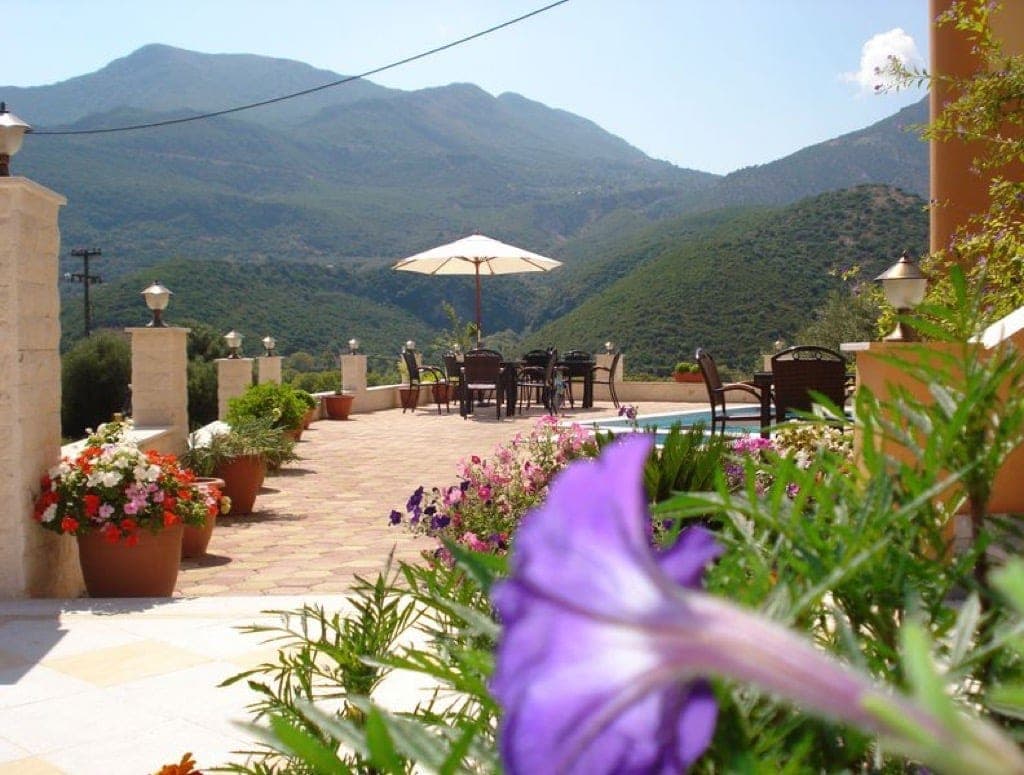
Souliot ridge villages
The Souliot villages

The mountain that would not bow.

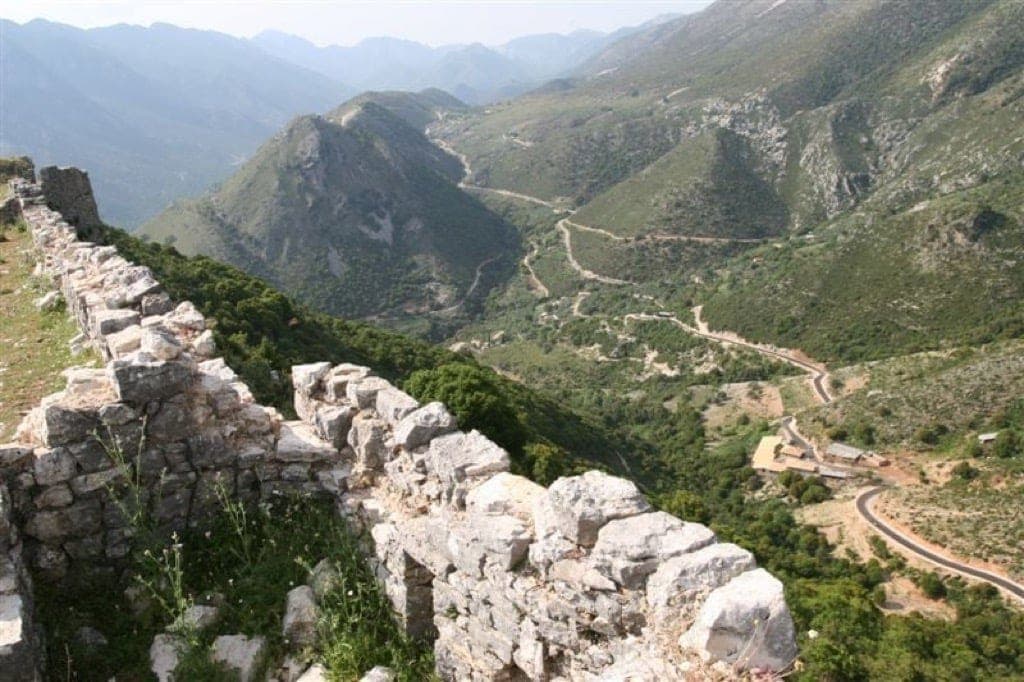
Above the gorge, where the road begins to switchback into pine, lie the ruined villages of Souli. In the 18th century, a confederacy of Greek farmers and Albanian-speaking shepherds here built a small republic of their own. For thirty years they resisted the armies of Ali Pasha of Ioannina. When the siege finally closed in 1803, the women of Zalongo took their children by the hand and danced off the cliff rather than surrender. The dance is still taught in every Greek school. The ruins are still on the ridge.

Walk where he walked
"Come, let us go to the ship and try — the gods will give us a swift voyage."
Book a guided river day →
See it yourself

Choose how you travel.

Natura 2000

Protected by Europe.

The entire Acheron basin — from the springs to the sea — is a Natura 2000 Special Area of Conservation. It shelters ancient plane trees older than any living memory, endemic fish of the spring pools, the last loggerhead turtles nesting on the Ionian coast, and golden jackals in the gorge above.

Natura 2000
Protected since
1995
Catchment area
705 km²
River length
64 km
Avg water temp
11–15°C