№ 01ACHERON SPRINGS
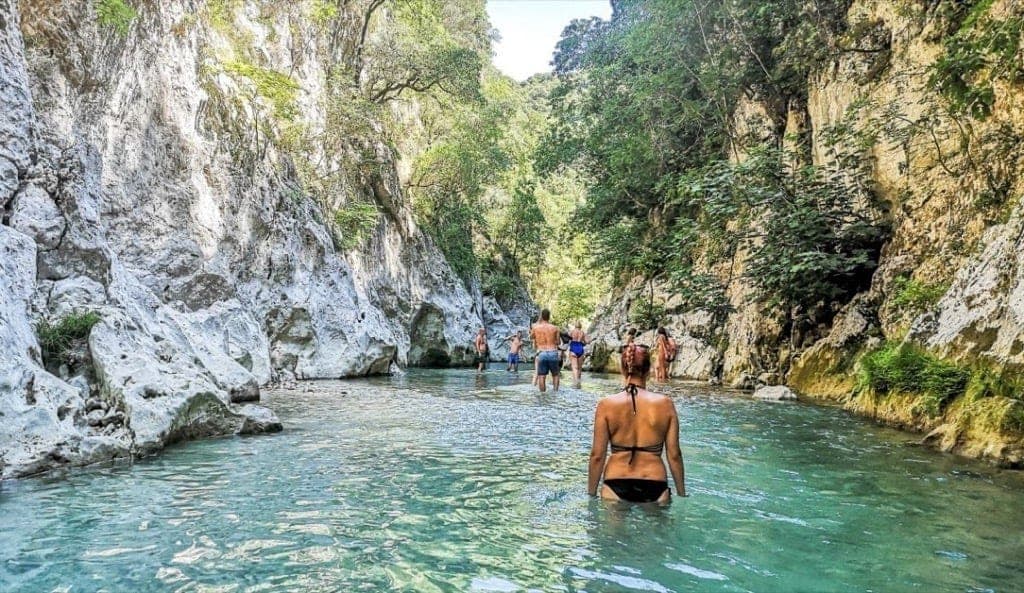
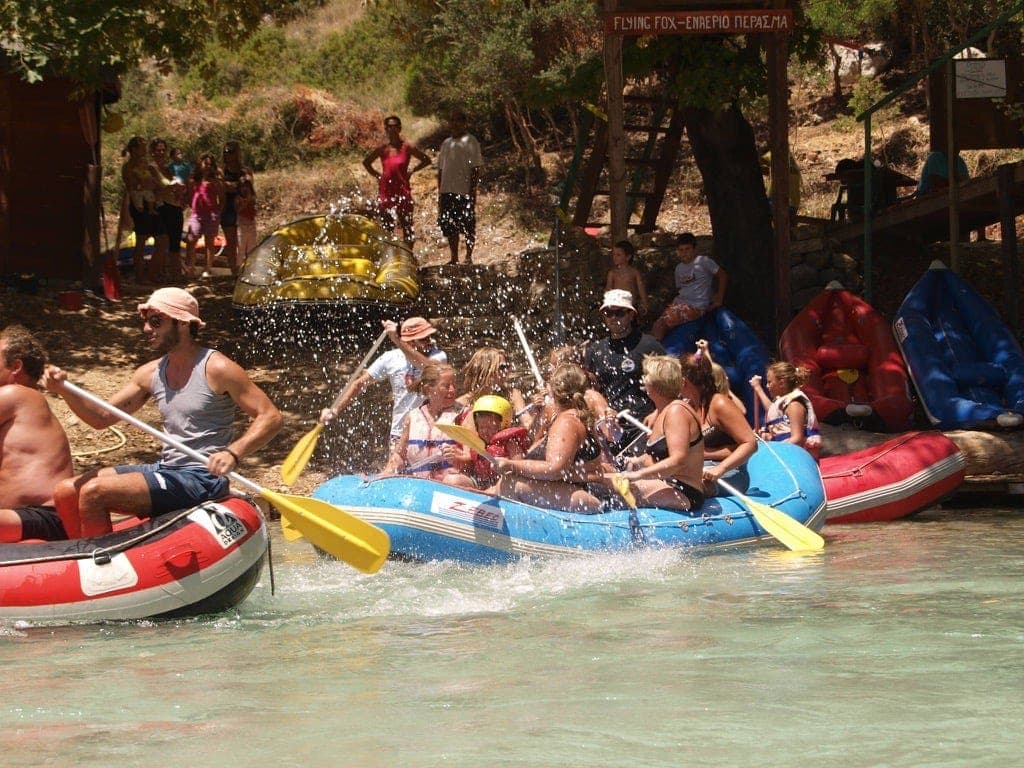
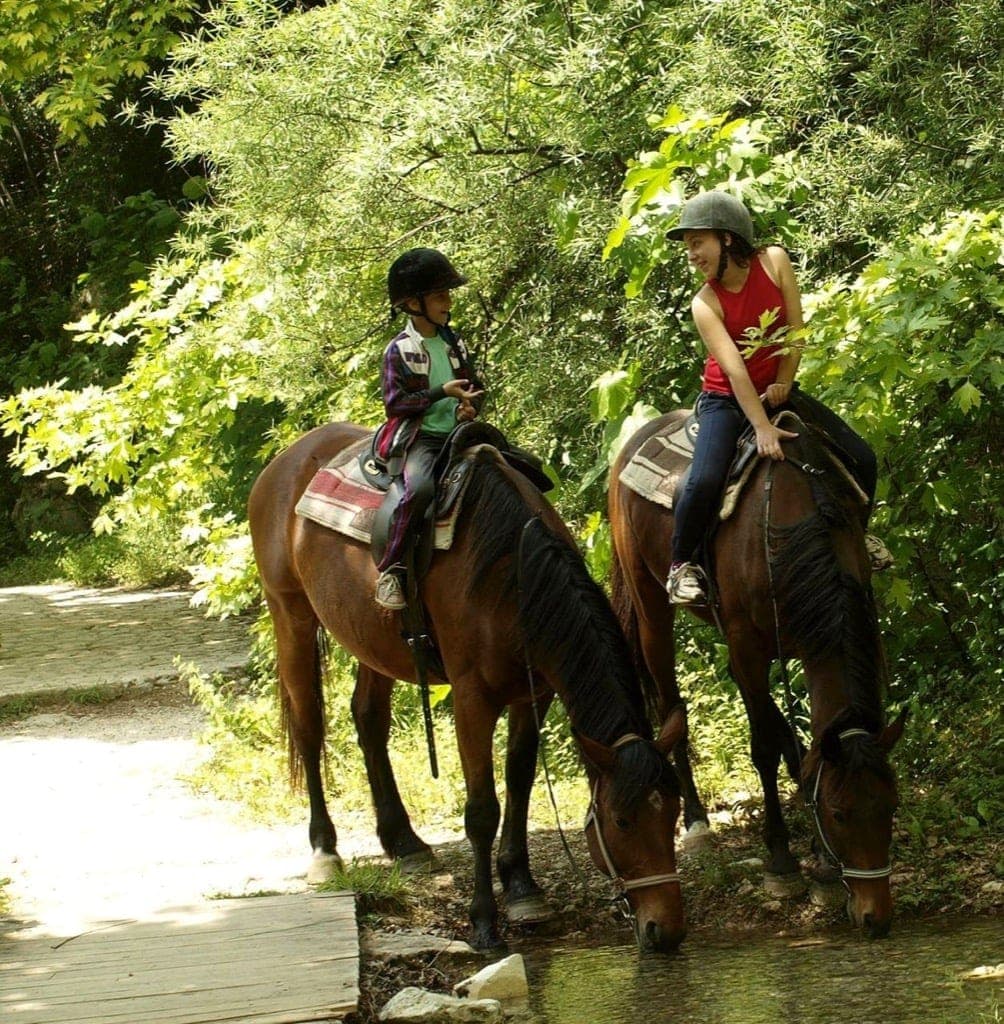
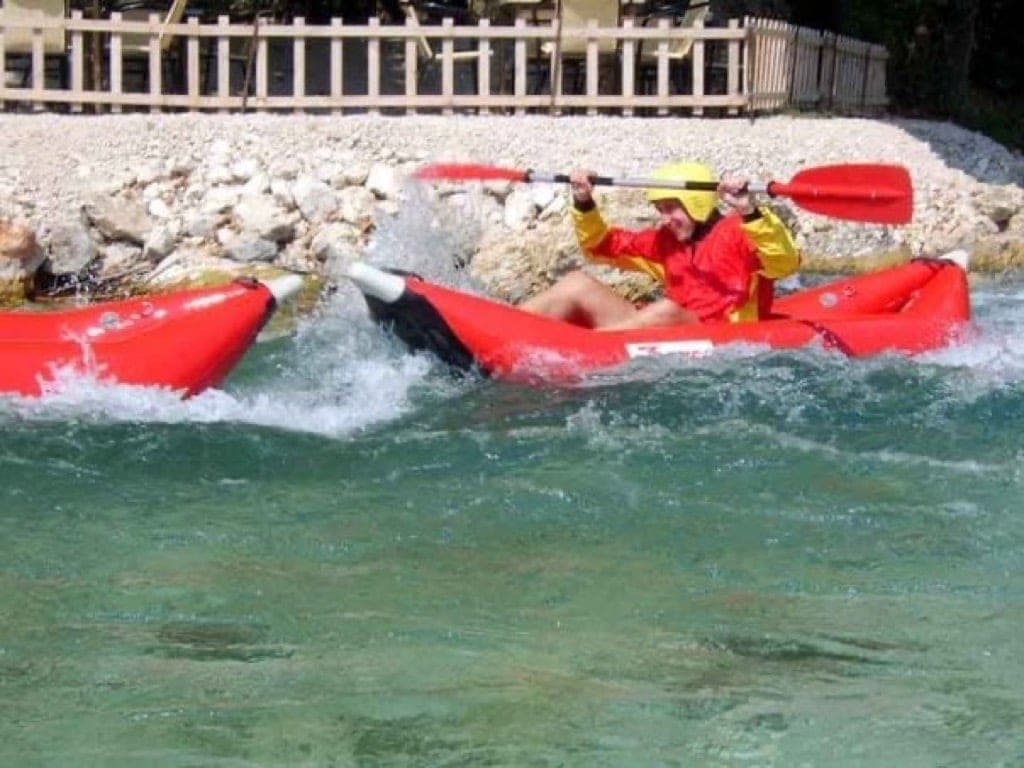
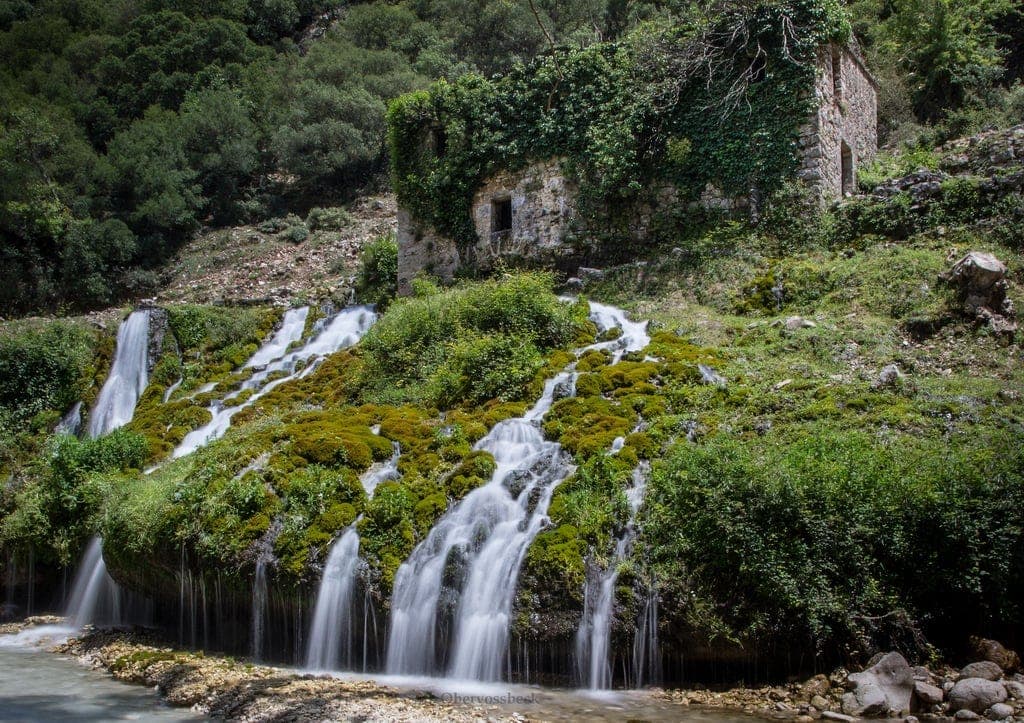
The starting point. Cold, clear springs rise from the cliffs, close to our base and the first stop for rafting, kayaking, riding, and walks.


Before the Acheron became a place for rafting, riding, and family swims, Homer placed Odysseus here at the edge of the living world. Today the same cold springs run through Glyki, a real village you can visit in a single river day.
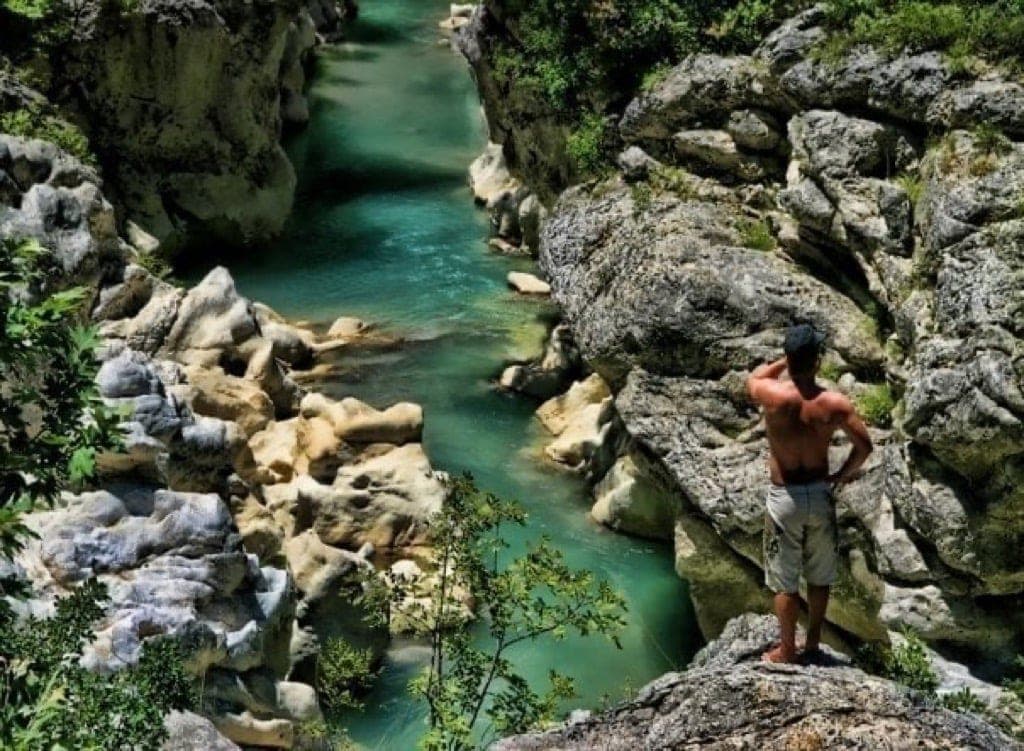
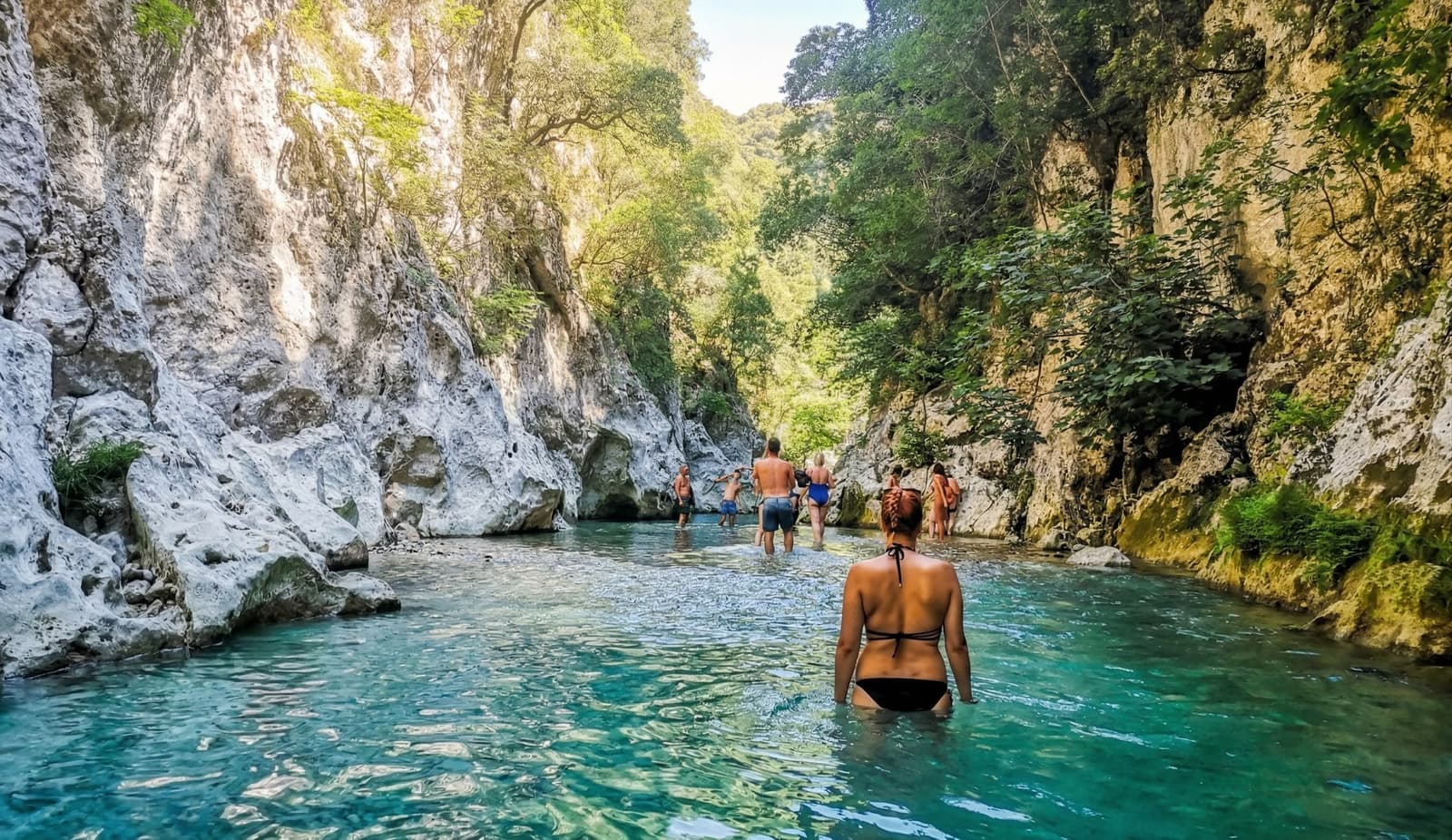
With Nolan's 'The Odyssey' coming to theaters this summer, the legendary river of the Underworld is back in the spotlight. But the Acheron isn't just a story setting—it is a physical, 11°C reality. Swim the limestone gorge, paddle the cold springs, and walk where Odysseus stood. Experience the myth where it actually happened.
Glyki means 'sweet'. Local tradition says Saint Donatus killed a dragon that had poisoned the river, and the water became sweet again. The simpler truth is just as memorable: the Acheron here is fed by cold karst springs filtered through limestone. At the source, the water is clear, cold, and drinkable.

№ 01The starting point. Cold, clear springs rise from the cliffs, close to our base and the first stop for rafting, kayaking, riding, and walks.
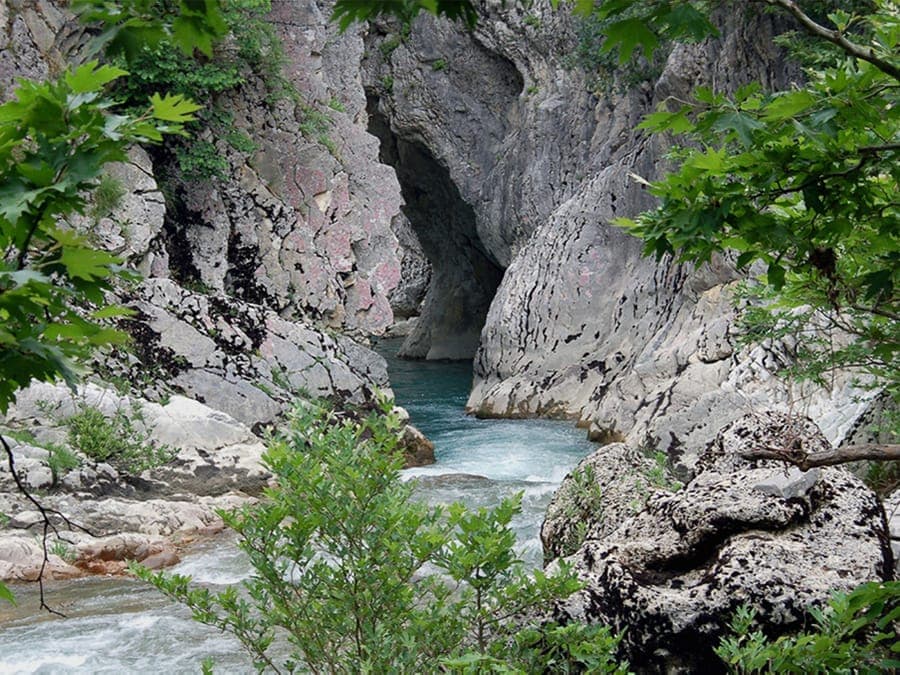
№ 02A narrow canyon where the limestone walls close in. The name is ancient, but today it is a calm, family-friendly stop for swimming and photos.
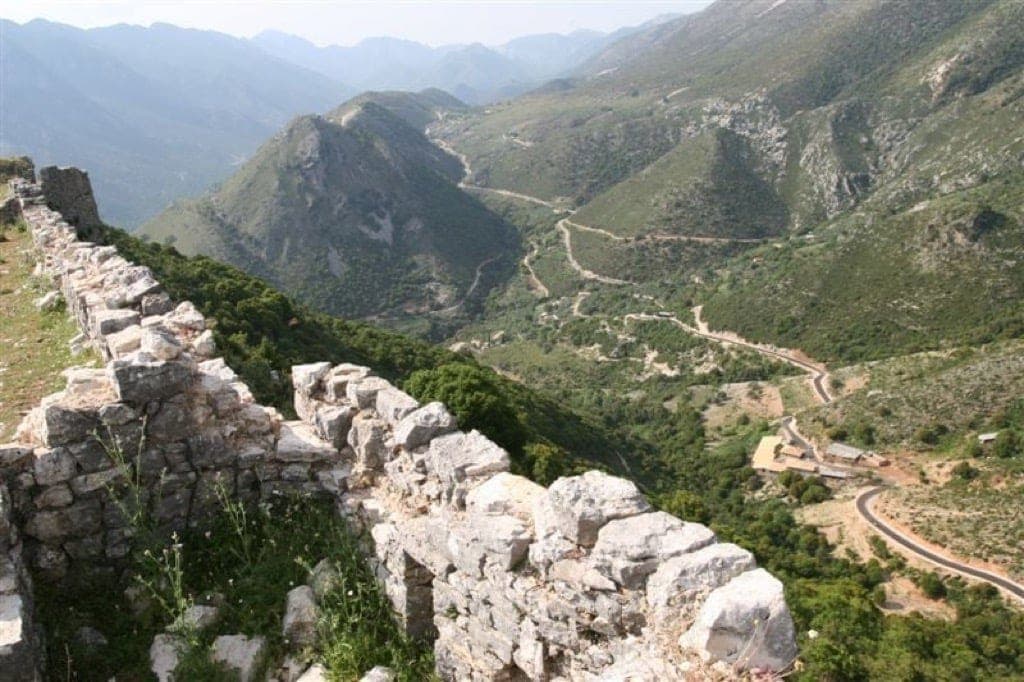
№ 03The ridge villages of Souli, including Kiafa, Samoniva, and Avariko, where local communities resisted Ottoman rule in the 18th century.
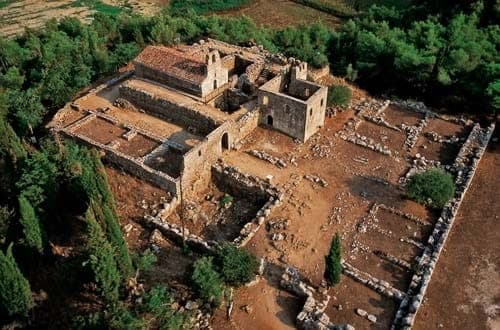
№ 04Ruins of the ancient Oracle of the Dead. Homer's Nekyia, made of stone. A 20-minute drive from Glyki.
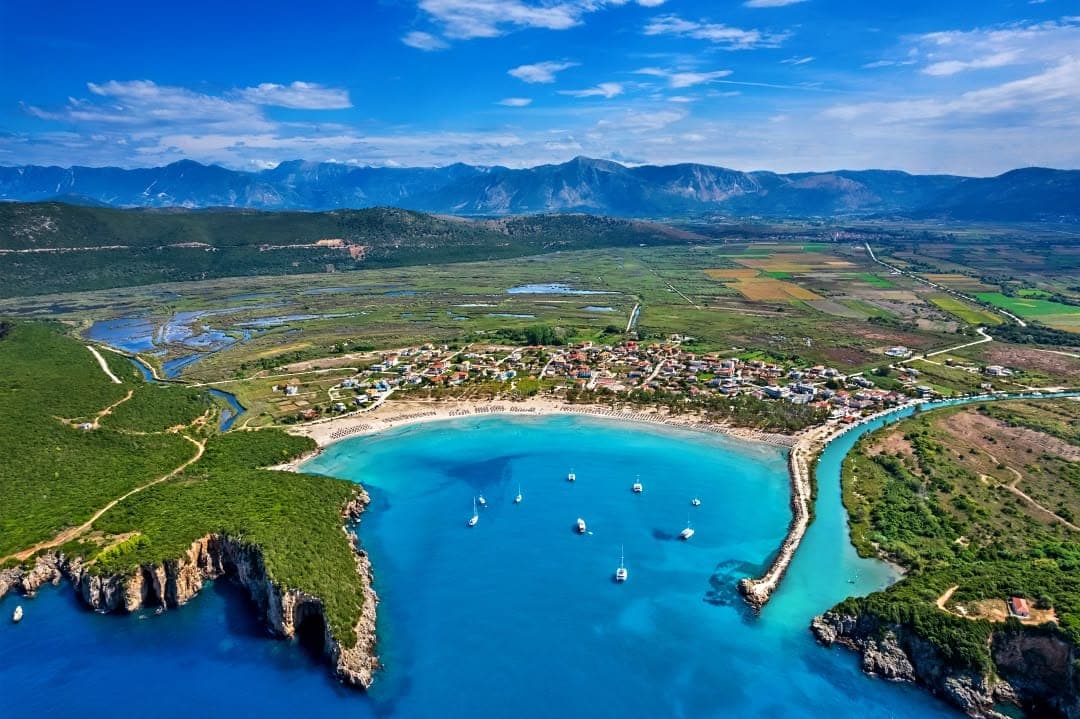
№ 05Where the Acheron reaches the Ionian Sea: a wide estuary, a fishing village, and the beach Odysseus would have seen from his ship.
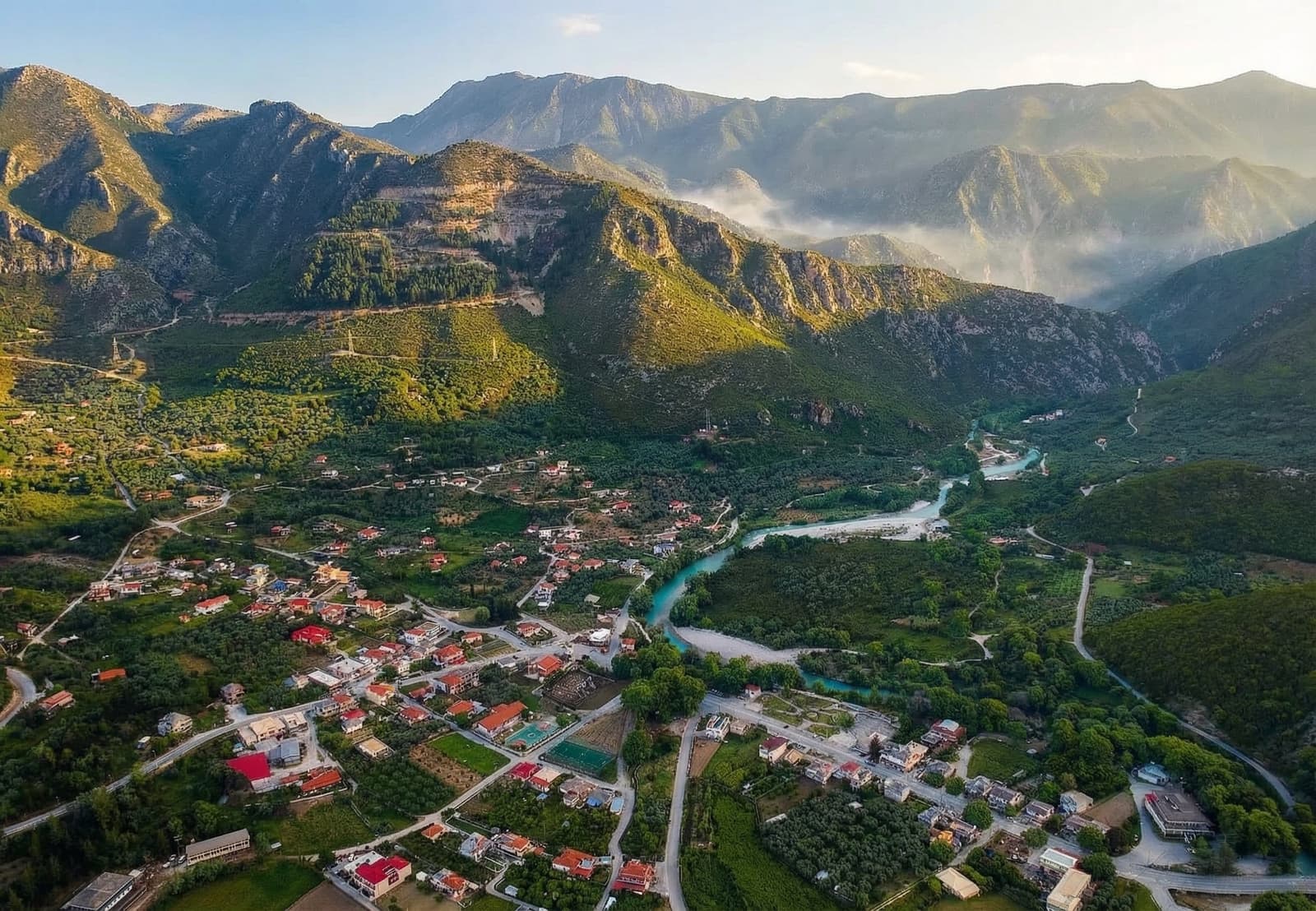
№ 06The 'sweet' village. Named for the legend that St. Donatus slew a dragon who poisoned the springs, turning the waters sweet again.
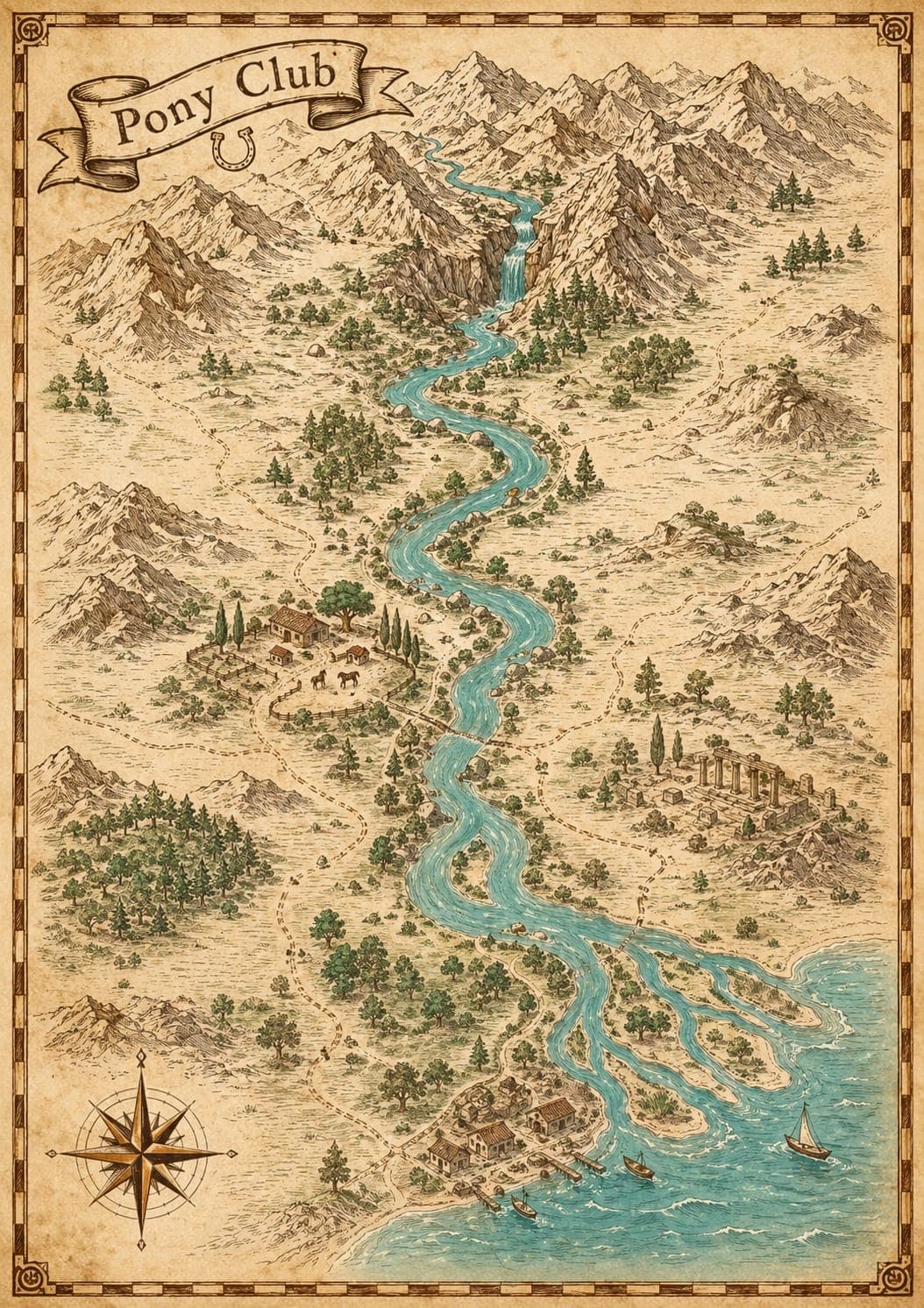
The old story follows a real river. Glyki sits at the cold springs, the gorge narrows into the Gates, and the water keeps moving west until it reaches Ammoudia and the sea.

The Acheron is rare because the myth, the landscape, and daily village life still sit in the same valley. You can stand at the springs in Glyki, follow the gorge, visit the ruins of the Oracle of the Dead, and end where the river meets the Ionian Sea.
In Book XI of the Odyssey, Circe sends Odysseus beyond the known world to the place where three rivers meet: Acheron, Pyriphlegethon, and Cocytus. There he calls the dead and meets the prophet Teiresias, his mother Anticleia, Achilles, and Agamemnon. This scene is called the Nekyia, the rite of speaking with the dead.
"Into the deep-flowing Acheron flow Pyriphlegethon and Cocytus, and there is the rock where the two loud rivers meet."
Unlike much of Homer's geography, this one points to a real landscape. Ancient writers including Herodotus, Pausanias, and Strabo placed the entrance to Hades here in Thesprotia. The Acheron still rises near Glyki, runs through the limestone gorge, meets the Kokytos and Chimerikos rivers, then reaches the Ionian at Ammoudia.
Five kilometres downstream from Glyki, on a hill above the meeting of the rivers, stand the ruins of the Necromanteion of Ephyra. It is the only known Oracle of the Dead on the Greek mainland. Pilgrims fasted, moved through dark corridors, and entered an underground chamber to consult the dead. The site is open to visitors.
For centuries, people knew the Acheron as the river of the Underworld. In the story, newly dead souls waited on its banks for Charon, the ferryman of Hades. Two coins paid the crossing. Those who could not pay were left to wander the banks.

Above the gorge, where the road climbs into pine, lie the ruined villages of Souli. In the 18th century, local farming and shepherd communities built a small mountain republic and resisted the armies of Ali Pasha of Ioannina for decades. The story is still taught across Greece. The ruins are still on the ridge.
The entire Acheron basin, from the springs to the sea, is a Natura 2000 Special Area of Conservation. It shelters ancient plane trees older than any living memory, endemic fish of the spring pools, the last loggerhead turtles nesting on the Ionian coast, and golden jackals in the gorge above.